
Tim Cheng on Bridging Design and Development From the Start
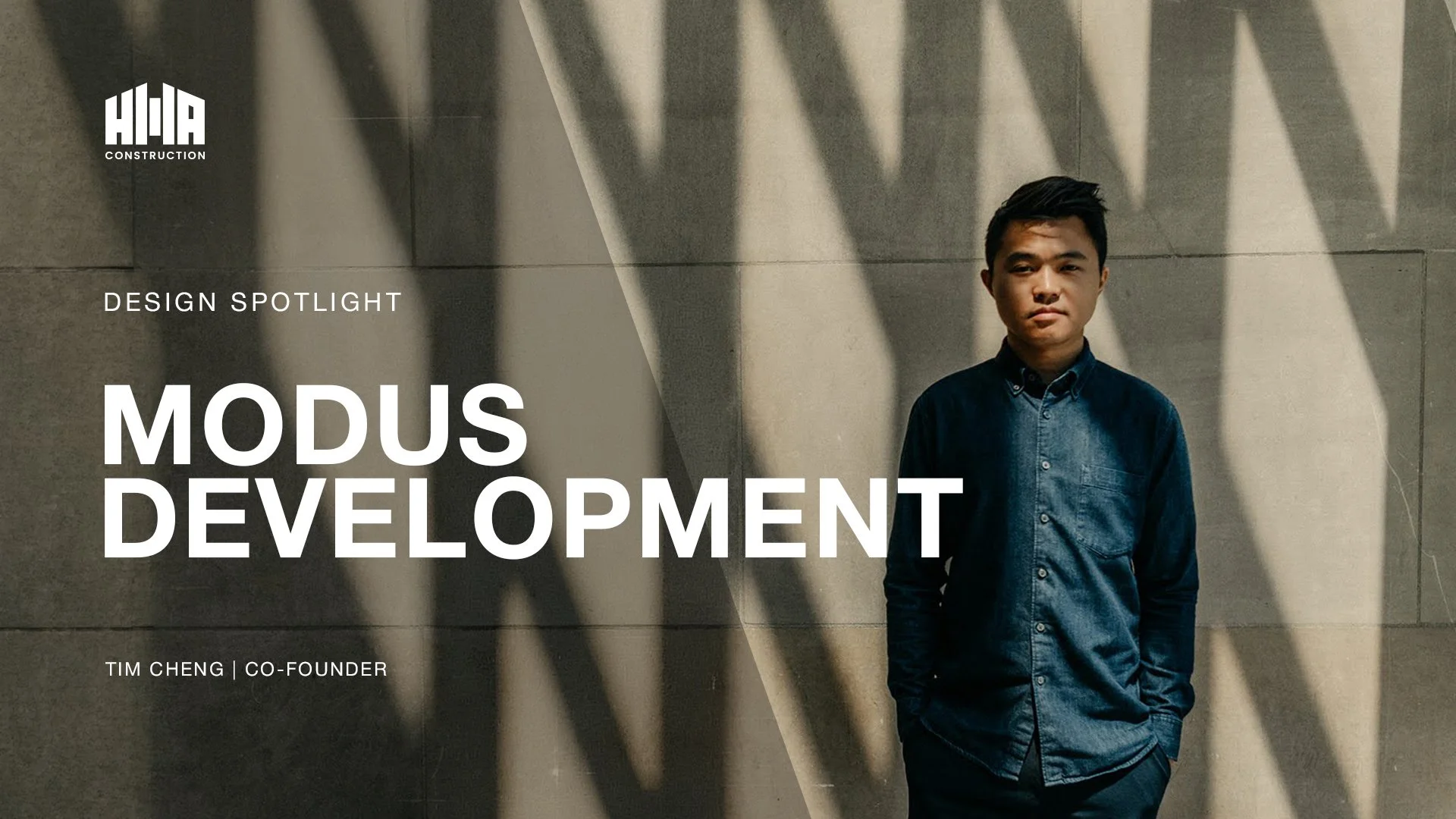
A design-build architect — someone who works as both designer and developer on the same project — carries a project from first concept through final construction, weighing creative vision against real-world budget and market realities from day one. Few people embody that dual role as clearly as Tim Cheng of Modus Development.
Great design isn't just about how a space looks on move-in day — it's about how well it holds up, adapts, and keeps delivering value for the people who live in it years later. Few understand that balance better than Tim Cheng of Modus Development, a firm that operates at the intersection of architecture, interior design, and real estate development.
Because Tim works as both designer and developer, he brings a rare, dual-lens perspective to every project: one eye on aesthetics and craftsmanship, the other on budget, market viability, and long-term maintenance. In this Designer Spotlight, Tim talks with HWA Construction about his residential design process across residential, multi-family, and commercial spaces, how he collaborates with builders and homeowners, and what he believes every homeowner should prioritize when designing a custom home meant to last.
Designing With Development in Mind
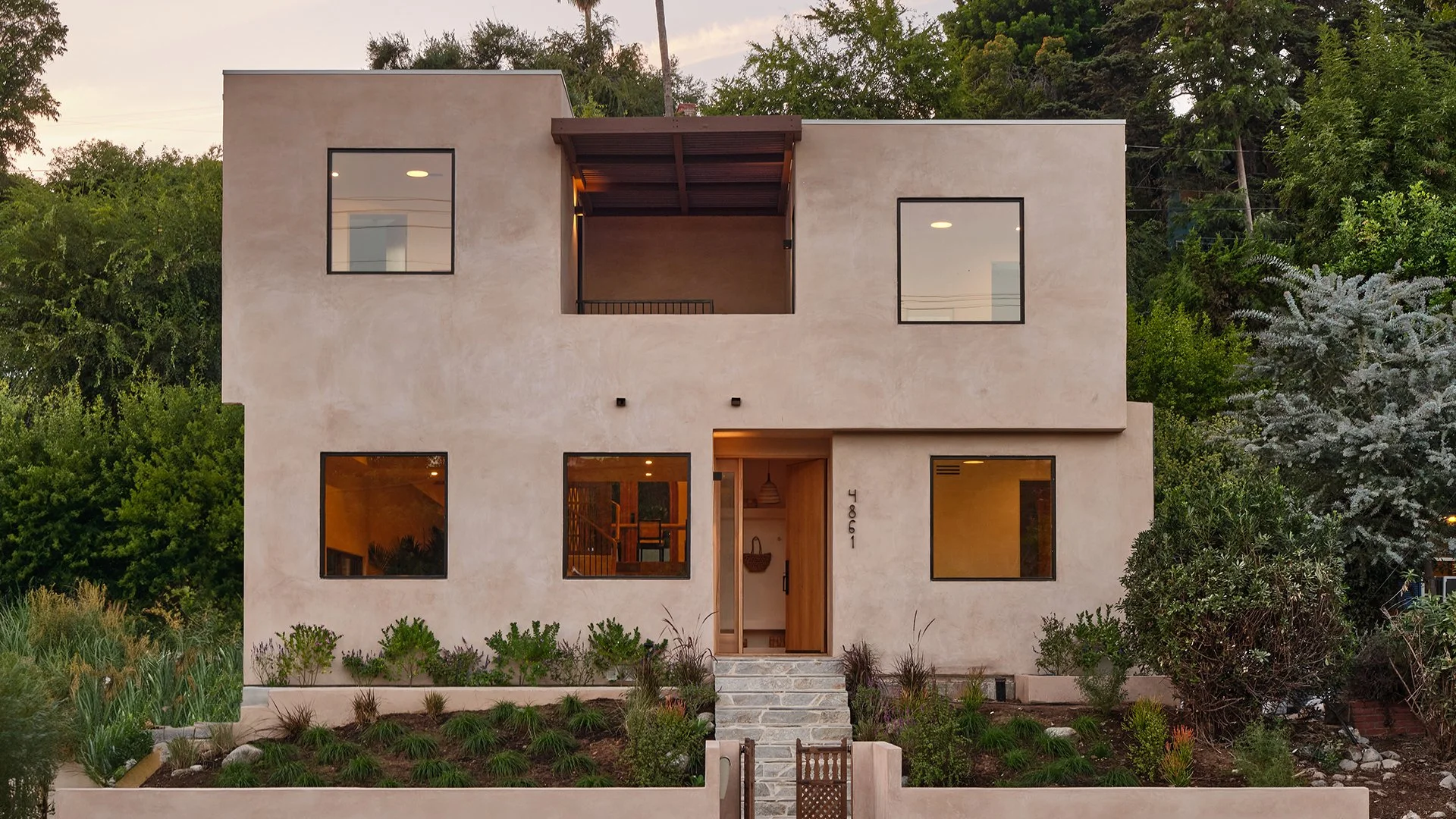
Exterior of Casa Wiota, a modern residence in Eagle Rock designed and developed by Modus Development.
HWA: How does being both a designer and developer change the way you think about a project from the beginning?
Tim Cheng: As someone with experience on both ends of the project, I'm able to more accurately forecast how designs will translate from concept to reality and anticipate potential costs early on. Rather than just broad analysis based on financial figures, I scrutinize the project location, target market, and end users to ensure viability.
HWA: What role does design play in creating long-term value for a development?
Tim Cheng: Design must continually adapt based on user experience and expectations over the long term. With projects we sell, like residential developments, we don't have the opportunity to iterate and add value once the homeowner takes possession. In contrast, on hospitality projects, we can make incremental improvements as maintenance budgets allow or apply learnings to future projects.
HWA: What’s one lesson from your past projects that continues to influence how you design today?
Tim Cheng: Really understanding the target users is critical. We've faced situations where neglecting certain features or amenities hindered the marketability of the project. While we can't cater to everyone, designing for the intended demographic and buyers who resonate with our development objectives yields the best outcomes.
It's a lesson that applies just as much to a custom single-family home as it does to a full multi-family development: design for the people who will actually live there.
Applying Lessons Across Every Project
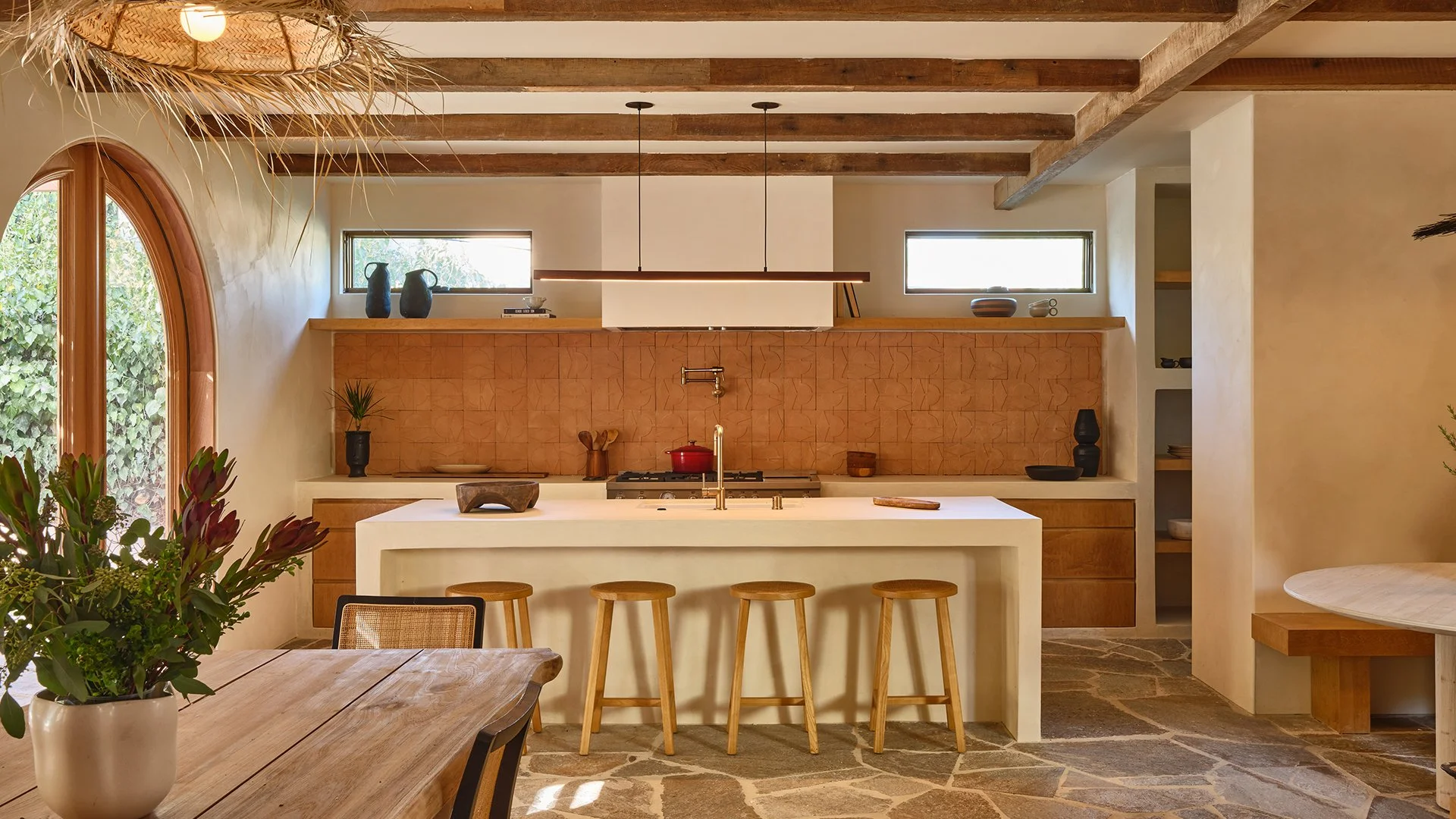
Open kitchen with wood-beam ceiling, terracotta tile, and stone flooring in Casa Wiota, a Modus Development project in Eagle Rock.
HWA: Your work spans residential, multi-family, and commercial spaces. What is something you’ve learned from one category that you’ve been able to apply to another?
Tim Cheng: I often draw upon lessons from commercial design when working on multi-family and residential projects. Commercial spaces expose designers to a wide range of user preferences and behaviors, providing invaluable insights. Residential design, while highly personalized, caters to a single user's needs over an extended timeframe.
HWA: Working across typologies gives designers like Tim a broader library of solutions to pull from — whether that's smarter space planning, more durable material selection, or a better read on how people actually use a room.
Designing Around the Client
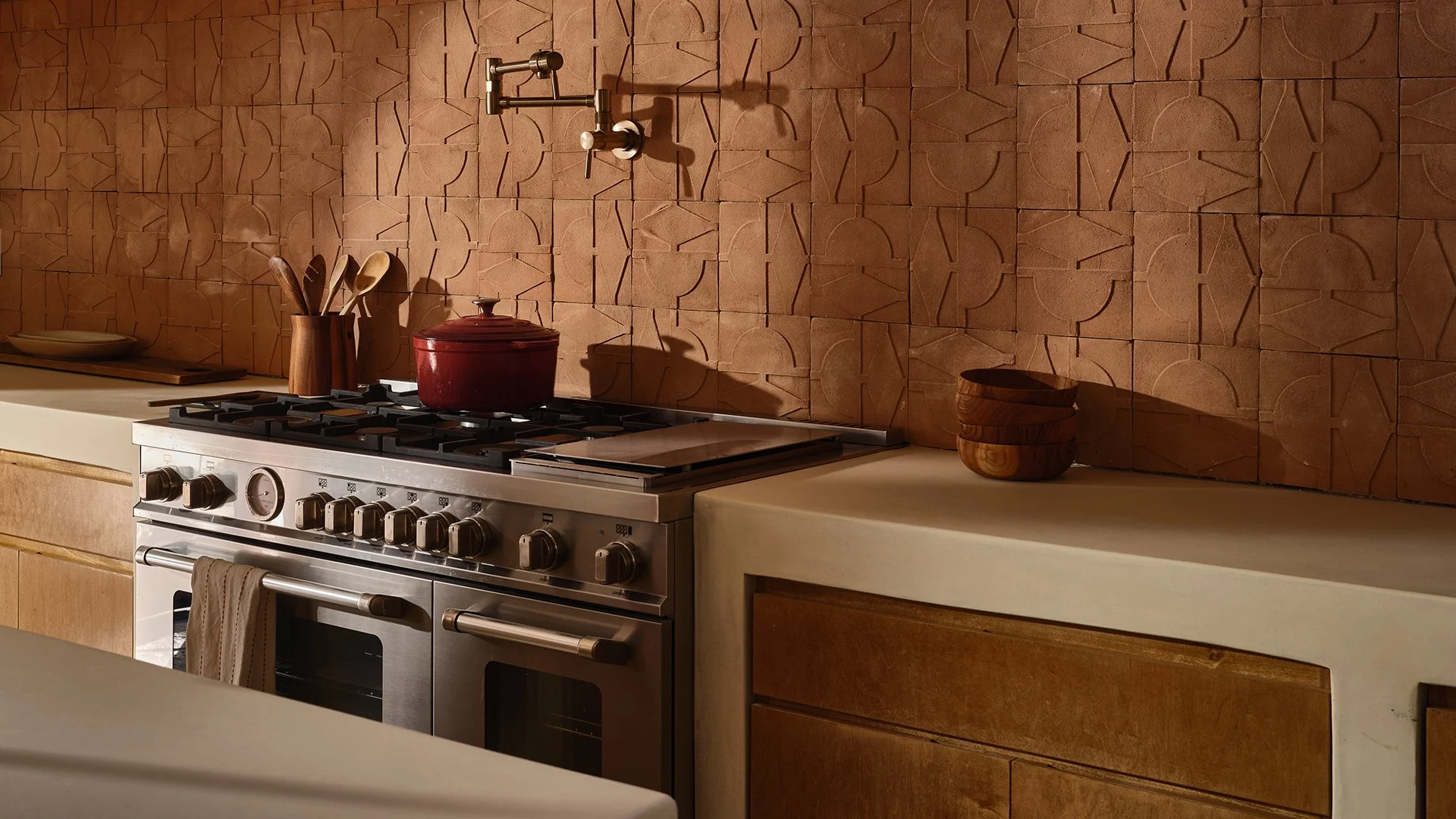
Hand-patterned terracotta tile backsplash with brass pot-filler in the Casa Wiota kitchen by Modus Development.
HWA: How do budget, timeline, and market considerations influence your creative decisions without compromising the overall vision?
Tim Cheng: We typically design to a "best case" budget, but perform preliminary costing exercises throughout the process, especially as we navigate permitting, to ensure alignment. Compromises are inevitable, but experience helps determine where to strategically value engineer without sacrificing the design integrity or functionality.
It's a practical philosophy: protect the design intent, but stay flexible on the path to get there.
HWA: How do you bring a client’s personality into a home while still maintaining your own design point of view?
Tim Cheng: Understanding each client's unique needs and vision is paramount. I share the knowledge I've gained working across various markets and design typologies to find the intersection between their goals and industry best practices. Whether the client prefers to adhere to their own principles or desires a more collaborative approach, I tailor my process accordingly.
HWA: What does good collaboration between a designer, builder, and homeowner or developer look like to you?
Tim Cheng: As a design developer, we wear all the hats. It's crucial to maintain objectivity and stay committed to the agreed-upon design and budget, even as timelines lengthen and market conditions fluctuate. Agility and creativity are key. The ideal dynamic is when all stakeholders remain aligned, with the flexibility to pivot if necessary.
Strong collaboration during construction is often what separates a smooth renovation or new build from a stressful one — everyone rowing in the same direction, even when conditions change.
Advice for Homeowners Building a Forever Home
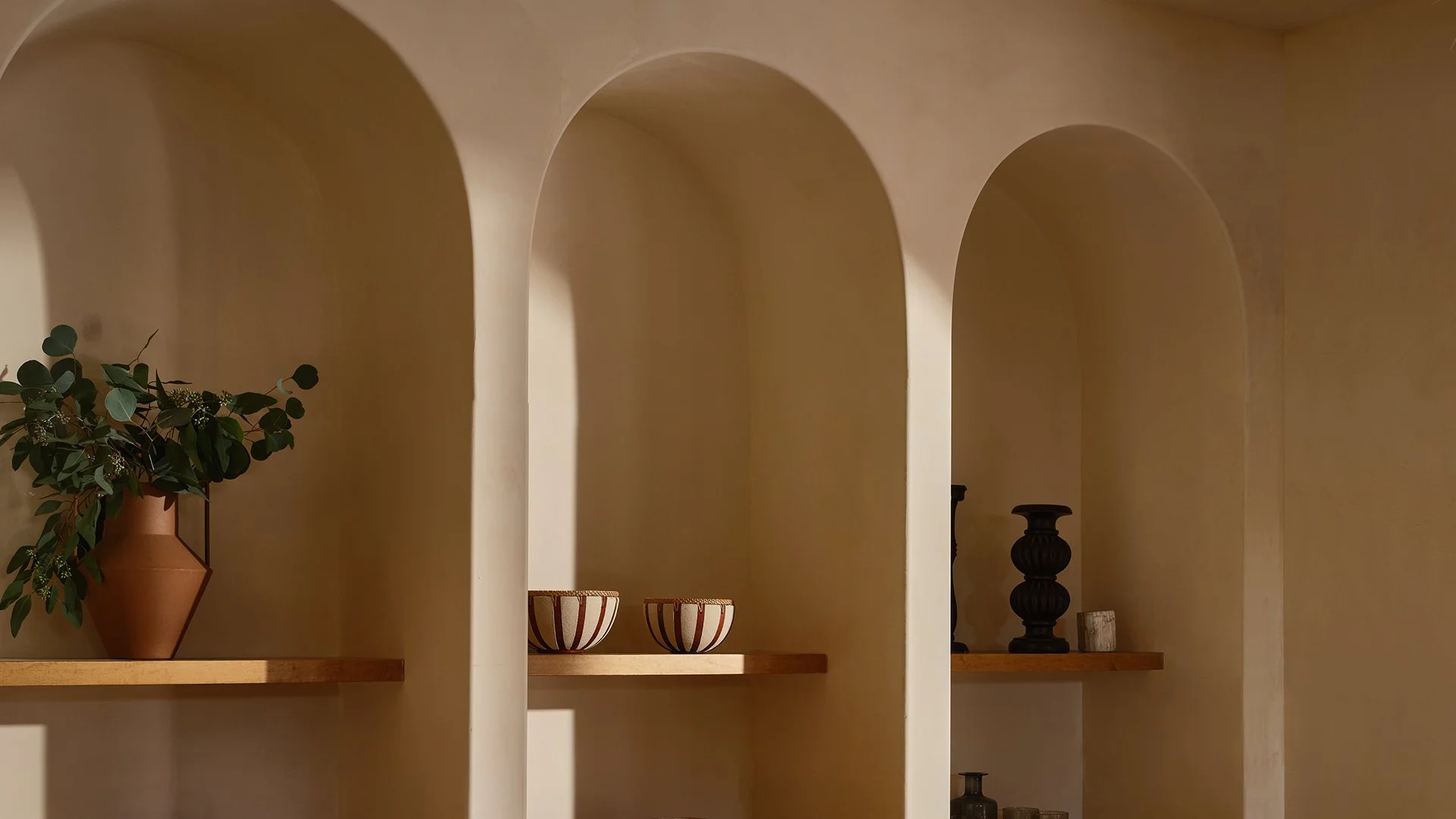
Plaster arch niches displaying handmade pottery in Casa Wiota, a Mediterranean-modern home by Modus Development.
HWA: What do you think homeowners should prioritize when designing a home they plan to live in for many years?
Tim Cheng: Educating homeowners about the interplay between aesthetics, functionality, and long-term maintenance is an important part of the process. Upfront material choices impact durability and upkeep costs down the line. We also emphasize often-overlooked elements like ample storage and focusing the design and finish investments on the spaces where residents spend the most time.
Key Takeaways for Homeowners
Choose durable, high-quality materials that minimize long-term maintenance.
Prioritize functional layouts that support everyday living.
Don’t underestimate the value of ample storage.
Invest most heavily in the spaces you’ll use every day.
Final Thoughts
Tim Cheng’s approach illustrates that successful design extends well beyond aesthetics. By considering construction feasibility, user experience, market demands, and long-term performance from the outset, he creates projects that are as practical as they are beautiful.
Whether designing a custom home, a residential development, or a commercial space, the common thread is intentionality—making informed decisions early, collaborating openly throughout the process, and never losing sight of the people who will ultimately experience the finished space. It’s a philosophy that demonstrates how thoughtful planning and strong collaboration lead to projects with lasting value.
Ready to bring this kind of design-build thinking to your own project?
Schedule a consultation with HWA Construction, or browse our portfolio to see it in action.
